
 By Nazar Hubert
In the modern world, owning a vehicle involves more than simply driving it. Every car requires ongoing care, maintenance, and inspection to ensure long-term performance and safety. Understanding car services is essential for every vehicle owner, as regular maintenance not only enhances reliability but also prevents costly repairs down the line. Whether you own a compact sedan, a luxury SUV, or a heavy-duty truck, timely and professional servicing determines how well your car performs over time.
What Are Car Services?
Car services refer to the systematic inspection, maintenance, and repair of a vehicle to ensure that it operates efficiently and safely. These services range from basic oil changes and tire rotations to complex engine diagnostics, electrical repairs, and transmission rebuilds. Every manufacturer recommends specific service intervals based on mileage or time, ensuring that crucial components are checked and replaced before failure occurs.
Professional car services are designed to:
- Maintain engine efficiency and reduce fuel consumption
- Prolong the vehicle’s lifespan
- Prevent major mechanical issues
- Ensure compliance with safety and emission standards
- Improve resale value through proper upkeep
A well-maintained car not only performs better but also gives the driver confidence on every journey.
Types of Car Services
1. Basic or Interim Service
This is a short-term checkup typically performed every 6 months or 5,000–7,000 miles, depending on driving conditions. It focuses on essential maintenance tasks that keep the car running smoothly.
Typical services include:
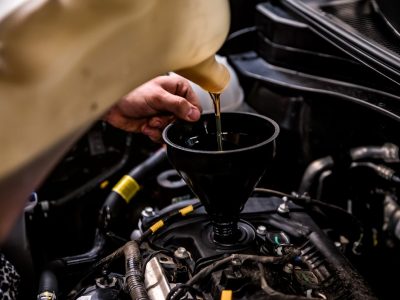
- Engine oil and filter change
- Tire inspection and pressure adjustment
- Fluid level checks (coolant, brake, power steering, and windshield washer)
- Basic brake system inspection
- Light and wiper blade checks
An interim service is ideal for drivers who cover high mileage and need frequent preventive maintenance.
2. Full or Major Service
A full service is more comprehensive and should be conducted every 12 months or 10,000–12,000 miles. It covers deeper inspections and replacements that an interim service may overlook.
Tasks in a full service include:
- Replacement of air, cabin, and fuel filters
- Spark plug replacement (for gasoline engines)
- Complete brake inspection, including pads and rotors
- Suspension and steering system checks
- Battery performance test
- Exhaust system inspection
- Cooling system flush and refill
Regular full servicing prevents engine wear, enhances fuel efficiency, and ensures safety systems remain fully operational.
3. Major Service or Manufacturer Recommended Service
This is a detailed service aligned with the vehicle manufacturer’s specifications, usually performed every 24–36 months or after 30,000–40,000 miles. It often involves significant component replacements.
Common tasks include:
- Timing belt or chain replacement
- Transmission fluid and filter change
- Differential oil replacement
- Brake fluid flush and ABS inspection
- Advanced diagnostic scanning
- Comprehensive safety checks
Major services are crucial for vehicle longevity, as they address the parts most prone to long-term wear.
Importance of Regular Car Services
Ignoring scheduled maintenance can lead to reduced performance, breakdowns, and higher repair costs. Regular car services not only prevent these issues but also enhance the overall ownership experience.
Here are some key benefits:
- Safety: Detecting worn-out brakes, tires, or suspension components before they fail can prevent accidents.
- Performance: Properly serviced engines run smoother, offering better acceleration and fuel efficiency.
- Longevity: Regular oil changes and filter replacements minimize internal engine wear.
- Resale Value: A full service history significantly boosts a car’s resale price.
- Warranty Compliance: Many warranties require regular servicing to remain valid.
Every service is an investment in reliability and peace of mind.
Common Car Services Explained in Detail
Engine Maintenance
The engine is the heart of your vehicle, and its upkeep is critical. Regular oil and filter changes keep the engine lubricated and clean, while spark plug and fuel system inspections ensure optimal combustion. Ignoring engine maintenance can lead to reduced power, overheating, or complete engine failure.
Brake System Service
Brake maintenance is crucial for safety. Mechanics inspect pads, rotors, calipers, and brake fluid levels to ensure reliable stopping power. If brakes squeal, vibrate, or feel soft, immediate servicing is necessary. Replacing brake fluid every two years prevents moisture buildup that can damage the hydraulic system.
Transmission Service
Transmission systems transfer power from the engine to the wheels. Regular transmission fluid changes maintain smooth gear shifts and prevent costly mechanical damage. Both automatic and manual transmissions require periodic inspection to ensure seals, gears, and clutches function properly.
Suspension and Steering
The suspension system maintains vehicle stability, while steering controls direction. During servicing, technicians check shock absorbers, struts, control arms, and tie rods. Worn-out suspension parts can cause uneven tire wear, vibrations, and poor handling.
Tire and Wheel Alignment
Tire maintenance includes rotation, balancing, and alignment. Proper alignment ensures even tire wear, better fuel economy, and safe handling. Tire rotations should occur every 5,000–8,000 miles, while alignment checks should be performed annually or after hitting potholes or curbs.
Electrical and Battery Systems
Modern cars rely on intricate electrical systems that power lights, sensors, and infotainment units. Regular diagnostics identify battery health, alternator output, and wiring integrity. Replacing weak batteries on time prevents unexpected breakdowns.
Air Conditioning and Climate Control
The air conditioning system requires periodic servicing to maintain comfort and efficiency. This includes refrigerant refills, filter changes, and leak checks. Regular maintenance prevents unpleasant odors and keeps the cabin air fresh.
Exhaust and Emission Systems
A properly functioning exhaust system reduces noise and harmful emissions. Technicians inspect catalytic converters, mufflers, and oxygen sensors during servicing. Keeping the system in good condition ensures compliance with environmental regulations and improves fuel economy.
Signs Your Car Needs Servicing
Even if your vehicle seems fine, subtle warning signs often indicate it’s time for a check-up.
Watch for these symptoms:
- Dashboard warning lights remain illuminated
- Strange noises from the engine or brakes
- Rough idling or poor acceleration
- Decreased fuel efficiency
- Vibrations while driving or braking
- Smoke or fluid leaks beneath the car
Ignoring these symptoms can escalate minor problems into expensive repairs.
Choosing the Right Car Service Provider
Selecting the right service provider is essential for maintaining quality and trust. Not all workshops offer the same expertise or standards.
Consider the following factors when choosing a provider:
- Certifications: Look for ASE-certified technicians or manufacturer-trained professionals.
- Service Packages: Compare inclusions, not just price.
- Equipment and Technology: Modern diagnostic tools ensure precise results.
- Transparency: Reputable workshops provide detailed estimates and explain necessary repairs.
- Customer Reviews: Check reputation and feedback from other vehicle owners.
A reliable service provider ensures your vehicle receives proper care without unnecessary expenses.
The Role of Technology in Modern Car Services
Automotive servicing has evolved significantly due to advanced technology. Today’s technicians rely on computer diagnostics, digital scanning tools, and predictive maintenance systems.
Modern innovations include:
- OBD-II Diagnostics: Onboard systems that detect and report performance issues.
- Predictive Maintenance: AI-based systems monitor vehicle health in real time.
- Digital Service Records: Electronic logs that track maintenance history.
- Remote Vehicle Monitoring: Telemetry systems alert drivers to potential issues instantly.
These advancements enhance accuracy, speed, and efficiency, ensuring vehicles remain at peak performance.
Cost of Car Services and Factors That Affect It
Car service costs vary depending on vehicle type, mileage, and required repairs. Luxury vehicles typically cost more due to specialized parts and labor.
Key factors influencing service costs include:
- Vehicle make and model
- Type of service (interim, full, or major)
- Use of OEM vs. aftermarket parts
- Labor rates in your region
- Additional repairs or replacements identified during inspection
It’s wise to budget for regular servicing to avoid unexpected financial strain from sudden breakdowns.
Preventive Maintenance Tips for Vehicle Owners
Car owners can play a proactive role in keeping their vehicles in top condition. Simple habits extend the life of essential components and reduce repair frequency.
Helpful maintenance tips include:
- Check oil and coolant levels monthly
- Keep tires inflated to the correct pressure
- Replace wiper blades annually
- Avoid sudden acceleration or braking
- Use quality fuel and lubricants
- Follow the manufacturer’s recommended service schedule
Routine care between services ensures your car remains dependable and efficient year-round.
FAQs about Car Services
1. How often should I service my car?
Most manufacturers recommend servicing every 6 months or 5,000–7,000 miles for interim service and once a year or 10,000–12,000 miles for full service, depending on driving conditions.
2. Can I skip a service if my car is running fine?
No. Even if the car seems fine, internal components may wear out gradually. Skipping services can void warranties and lead to costly repairs later.
3. What is included in a standard oil change service?
An oil change service typically includes draining old oil, replacing the oil filter, and adding new oil of the correct grade for your vehicle. Some shops also perform fluid top-offs and basic inspections.
4. Do electric vehicles need the same servicing as gasoline cars?
Electric vehicles require less maintenance since they have fewer moving parts, but they still need tire rotations, brake inspections, and battery system checks.
5. How can I tell if my mechanic performed all the required services?
Reputable service providers offer detailed invoices listing completed tasks and replaced parts. You can also request old parts as proof of replacement.
6. Why does my car vibrate after servicing?
Vibrations may result from wheel misalignment, tire imbalance, or loose engine mounts. Contact the service center immediately for inspection.
7. Are aftermarket parts reliable for servicing?
Quality aftermarket parts can perform well if sourced from trusted brands. However, OEM parts are generally recommended for better compatibility and warranty protection.
Proper car services are essential to keeping any vehicle running efficiently, safely, and economically. With the right maintenance schedule, quality parts, and professional expertise, drivers can enjoy years of smooth, reliable performance while protecting their investment for the long haul.