 By Nazar Hubert
The automotive retail sector is experiencing its most profound transformation since the assembly line made personal vehicle ownership accessible to the masses. For decades, purchasing a car followed a rigid, predictable routine: visiting multiple local dealerships, browsing rows of inventory on asphalt lots, negotiating sticker prices across showroom desks, and spending hours in back offices completing financial paperwork. Today, changing consumer expectations, advancements in digital commerce, and shifting automotive business models are redefining this relationship entirely.
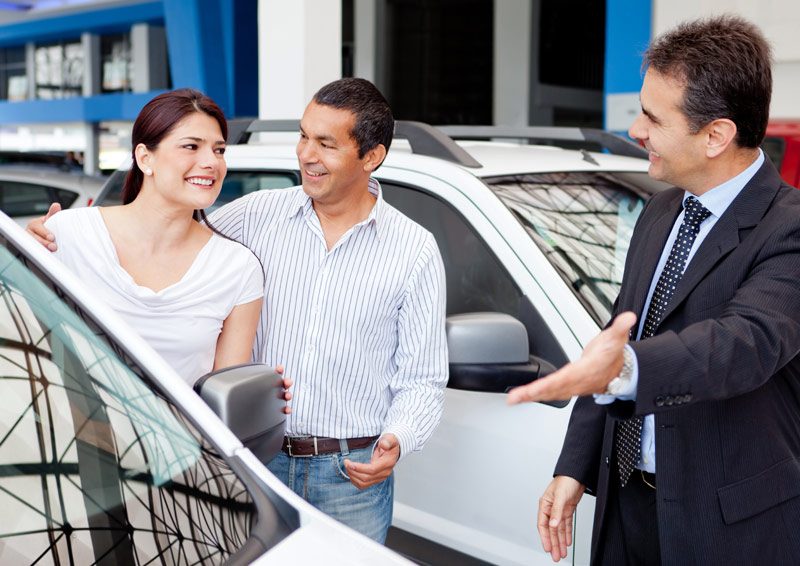
Rather than making physical dealerships obsolete, digital technology is transforming how car dealers interact with modern shoppers. The future of automotive retail is neither purely digital nor strictly brick and mortar. Instead, it is an integrated, omnichannel ecosystem where physical showrooms and advanced digital platforms complement each other to create transparent, personalized, and efficient buying journeys.
The Rise of Omnichannel Automotive Retailing
Modern car shoppers rarely walk into a showroom unassisted by digital research. Before setting foot inside a dealership, consumers spend dozens of hours exploring third-party review platforms, comparing trims, watching video walkarounds, reading owner forums, and evaluating estimated financing rates.
To remain competitive, forward-thinking dealerships are bridging the divide between online research and in-person execution. Omnichannel automotive retailing ensures that a customer can begin their transaction on a smartphone or laptop and seamlessly pick up where they left off inside the showroom without repeating administrative steps.
Key components of the omnichannel vehicle purchase flow include:
-
Real-Time Inventory Synchronization: Digital platforms display live vehicle availability, window stickers, incoming factory allocations, and exact pricing breakdowns without hidden markups.
-
Online Trade-In Valuations: Buyers upload vehicle identification numbers, mileage, and exterior photos to receive binding appraisal offers from home before visiting the lot.
-
Remote Financing and Credit Pre-Approval: Digital portals allow shoppers to compare interest rates across multiple lenders, adjust down payment parameters, customize loan terms, and submit credit applications securely.
-
Digital Document Signing: Secure electronic signature platforms enable buyers to review contracts, warranty agreements, and title documents in advance, reducing showroom transaction time from hours to minutes.
When digital and physical touchpoints operate in unison, customer friction disappears, leading to higher conversion rates and greater customer loyalty.
Redefining the Physical Dealership as an Experience Center
As administrative and financial transactions move to the cloud, the functional role of the physical dealership is shifting from a transaction hub to an immersive brand experience center.
While consumers appreciate the convenience of configuring payments and browsing inventory online, purchasing an automobile remains an emotional and tactile decision for most households. Buyers still want to evaluate seat ergonomics, test cabin visibility, assess real-world cargo space, test drive the powertrain, and experience the vehicle interface firsthand.
Physical dealerships are adapting their facilities to emphasize education and customer hospitality:
-
Interactive Digital Showrooms: High-definition video walls and interactive touch screens allow visitors to visualize custom paint colors, wheel packages, and interior materials in photorealistic three-dimensional detail.
-
Product Specialists Over Commissioned Salespeople: Dealership personnel are transitioning into non-commissioned product advisors dedicated to explaining complex infotainment features, advanced driver-assistance systems, and electric powertrain mechanics without sales pressure.
-
At-Home and Unattended Test Drives: Dealerships deliver vehicles directly to a prospective buyer home or workplace for extended test drives, allowing them to experience the car in their daily driving routine.
-
Streamlined Delivery Lounges: Dedicated delivery bays equipped with high-tech presentation screens help specialists walk new owners through smartphone pairing, autonomous features, and personalized driver profiles before driving off.
The Evolution of Dealership Business Models
The operational economics behind automotive dealerships are evolving as automakers experiment with new retail structures. Traditional franchised dealerships purchase inventory wholesale from manufacturers and retain pricing autonomy on vehicle sales. However, the rise of electric vehicle startups and changing consumer demands for uniform pricing have popularized alternative distribution frameworks.
The Direct-to-Consumer Model
Direct-to-consumer models bypass independent franchised dealers, allowing automakers to sell vehicles directly to end consumers at fixed nationwide prices. Under this model, physical brand locations serve as company-owned showrooms and service centers rather than independent retail lots.
The Agency Retail Model
Many legacy automakers are piloting the agency model, where the manufacturer retains ownership of vehicle inventory and sets national fixed prices. Local dealers act as delivery agents and brand ambassadors, receiving a standardized fee or commission for conducting test drives, handling vehicle handovers, and managing post-sale warranty service. This structure removes the burden of expensive inventory floor plan financing from dealers while guaranteeing price consistency for consumers.
Artificial Intelligence and Personalized Customer Journeys
Artificial intelligence and predictive data analytics are transforming automotive customer relationship management. Dealerships collect extensive data points from web visits, service bay records, and app interactions to anticipate buyer needs.
Advanced applications of artificial intelligence in automotive retailing include:
-
Predictive Replacement Cycles: Machine learning algorithms analyze maintenance histories and lease timelines to identify when an existing customer is statistically likely to need an upgrade.
-
Conversational AI Assistants: Intelligent virtual agents handle customer inquiries around the clock, answering complex technical questions, scheduling maintenance appointments, and qualifying financing candidates instantly.
-
Dynamic Pricing and Trade Matching: Automated systems cross-reference regional auction data and local demand to offer competitive, transparent trade-in prices while instantly matching incoming stock to waitlisted buyers.
By using data responsibly, dealerships can deliver targeted communications that match customer budgets, lifestyle needs, and preferred timelines.
The Expanding Role of Post-Sale Digital Services
The relationship between the car dealer and the customer no longer concludes once the sales contract is executed. Modern vehicles are connected computing platforms capable of receiving over-the-air software updates, monitoring mechanical components, and providing continuous telemetry to service departments.
Connected service operations represent a major long-term revenue and retention driver for modern dealerships. Telematics systems can alert service advisors to impending mechanical wear or fault codes before a dashboard warning light illuminates. Dealerships can proactively contact owners to schedule mobile service vans that complete oil changes, tire rotations, or software updates directly in the customer driveway.
Frequently Asked Questions
How does purchasing a vehicle completely online affect state titling and vehicle registration procedures?
When completing a full digital purchase, digital retailing platforms use integrated registration databases to calculate exact state, county, and municipal taxes based on the buyer primary residence address. The digital platform generates state-specific title and registration documents for electronic signature or overnight mail delivery, and the dealership or delivery company coordinates with the local department of motor vehicles to issue temporary tags and permanent license plates.
Will independent franchised dealerships face legal elimination due to direct manufacturer sales?
In many United States jurisdictions, franchise protection laws strictly prohibit manufacturers from competing directly against their franchised dealer networks or terminating franchise agreements without cause. Because of these legal protections, most established automakers are working collaboratively with their existing dealer bodies to modernize processes rather than attempting full direct-to-consumer transitions.
What happens if a consumer purchases a vehicle online and realizes the car does not fit their needs upon home delivery?
Most established digital vehicle platforms and modern dealerships operating remote sales programs offer return or exchange policies. These terms generally allow buyers a trial window of three to seven days or up to several hundred miles to evaluate the vehicle, with the option to return it for a full refund or swap it for an alternative model if they are unsatisfied.
How do digital finance and insurance platforms prevent identity theft and fraud during remote transactions?
Automotive digital retailing platforms utilize multi-layered security protocols, including biometric facial verification against government-issued identification cards, automated bank account credential verification, and knowledge-based authentication questions. These systems verify the buyer identity in real time before loan documents are finalized or delivery is scheduled.
Can consumers still negotiate vehicle purchase prices when using digital retailing software tools?
While some brands and digital platforms operate under non-negotiable fixed pricing models, many dealership digital portals include interactive negotiation features. Shoppers can submit competitive offers, apply manufacturer rebate incentives, and negotiate trade-in allowances or interest rate discounts through direct messaging channels within the platform.
How will the transition to electric vehicles affect long-term dealership service department profitability?
Electric vehicles possess fewer moving parts and require less routine maintenance than internal combustion engines, eliminating oil changes, spark plug replacements, and transmission fluid flushes. To offset this reduction in routine mechanical work, dealership service centers are expanding into battery health diagnostics, specialized tire wear management, thermal cooling system servicing, collision repairs, and home charging installation partnerships.
What is your reaction?
Excited
0
Happy
0
In Love
0
Not Sure
0
Silly
0