 By Nazar Hubert
The automotive industry is one of the most sophisticated and evolving sectors in the world, and at the heart of every vehicle lies a complex system of auto parts. Whether you drive a compact sedan, a rugged SUV, or a heavy-duty truck, every car depends on thousands of individual parts working together to ensure safety, performance, and efficiency. Understanding these components not only helps drivers maintain their vehicles better but also allows them to make informed decisions about repairs, replacements, and upgrades.
What Are Auto Parts?
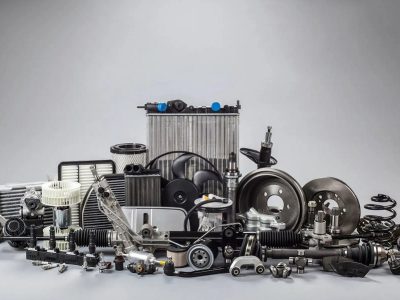
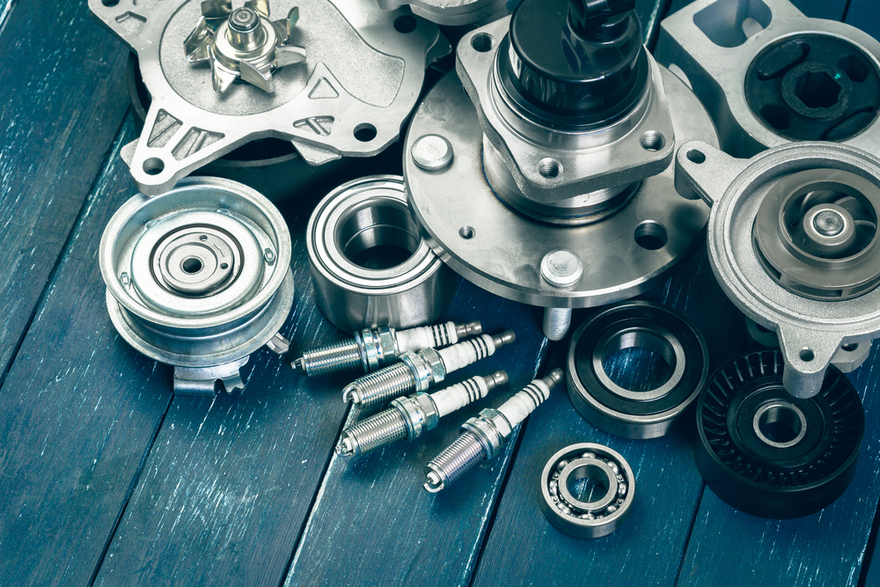
Auto parts refer to the individual mechanical, electrical, and structural components that make up a vehicle. These parts can be classified into several categories such as engine components, transmission systems, suspension and steering parts, electrical systems, braking mechanisms, and body elements. Each part serves a distinct purpose, contributing to the vehicle’s overall operation and reliability.
The Importance of Quality Auto Parts
The quality of auto parts directly affects your vehicle’s performance and safety. Inferior or counterfeit components can lead to frequent breakdowns, poor fuel efficiency, and even accidents. Investing in authentic, well-manufactured parts ensures smoother performance and a longer lifespan for your vehicle. Moreover, using genuine parts maintains your car’s warranty and helps retain resale value.
Main Categories of Auto Parts
1. Engine Components
The engine is the core of any automobile, often referred to as the vehicle’s heart. It converts fuel into mechanical energy to power the car. Key engine components include:
- Cylinder Block: The foundation of the engine that houses the cylinders and other critical components.
- Pistons and Crankshaft: Responsible for converting combustion energy into motion.
- Camshaft: Controls the timing of the engine’s valves.
- Timing Belt or Chain: Ensures the synchronization between the crankshaft and camshaft.
A malfunction in any of these elements can drastically impact performance, fuel economy, and emission control.
2. Transmission System
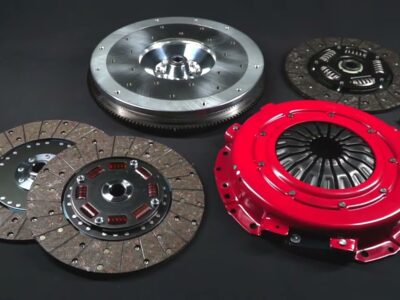
The transmission system transmits power from the engine to the wheels. It’s vital for controlling speed and torque. The two main types are manual and automatic transmissions. Core components include:
- Clutch and Gearbox (Manual Transmission)
- Torque Converter and Planetary Gear Sets (Automatic Transmission)
- Driveshaft: Connects the transmission to the differential.
- Differential: Allows the wheels to rotate at different speeds when turning.
Regular transmission fluid changes and inspections can prevent costly repairs.
3. Suspension and Steering Parts
The suspension system maintains vehicle stability and comfort, while the steering system provides control. Essential components include:
- Shock Absorbers and Struts: Help dampen vibrations and absorb road impacts.
- Control Arms and Ball Joints: Connect the suspension to the wheels.
- Steering Rack and Pinion: Facilitate precise control over direction.
Worn-out suspension or steering parts can lead to uneven tire wear, poor handling, and safety risks.
4. Braking System
The braking system is critical for safety. It converts kinetic energy into heat energy to stop the car efficiently. Key elements include:
- Brake Pads and Rotors: Create friction to stop the wheels.
- Calipers: Clamp the brake pads onto the rotors.
- Brake Lines and Master Cylinder: Distribute hydraulic pressure to the brakes.
- ABS (Anti-lock Braking System): Prevents wheel lock-up during sudden stops.
Using quality brake components ensures reliable performance and enhances road safety.
5. Electrical and Electronic Systems
Modern vehicles rely heavily on electrical systems for both operation and comfort. The primary components include:
- Battery and Alternator: Supply and recharge electrical power.
- Starter Motor: Initiates the engine’s ignition process.
- ECU (Engine Control Unit): Manages engine performance and diagnostics.
- Sensors and Wiring: Collect data and transmit signals for various functions.
Electrical faults can lead to issues ranging from poor fuel economy to engine failure, making routine checks crucial.
6. Exhaust and Emission Control
The exhaust system removes harmful gases from the engine while reducing noise and emissions. Major parts include:
- Exhaust Manifold: Collects exhaust gases from the cylinders.
- Catalytic Converter: Converts toxic gases into less harmful emissions.
- Muffler: Reduces noise levels.
Maintaining your exhaust system ensures compliance with emission laws and improves fuel efficiency.
7. Cooling and Heating Systems
Temperature control is essential for engine longevity and comfort. This system includes:
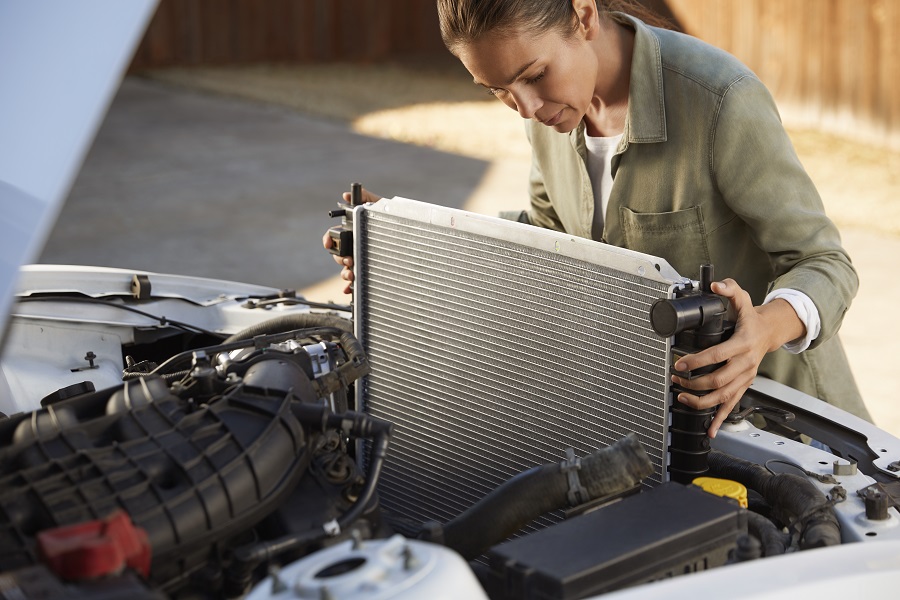
- Radiator: Cools the engine by circulating coolant.
- Thermostat: Regulates engine temperature.
- Water Pump: Circulates coolant throughout the system.
- Heater Core: Provides cabin heat during cold weather.
A malfunction in the cooling system can cause overheating, leading to severe engine damage.
8. Body and Interior Parts
Beyond mechanics, auto parts also encompass the vehicle’s exterior and interior.
- Bumpers, Fenders, and Doors: Offer structural protection.
- Windshield and Mirrors: Ensure visibility and safety.
- Seats, Dashboard, and Upholstery: Provide comfort and aesthetic appeal.
These components contribute to both safety and overall driving experience.
OEM vs Aftermarket Auto Parts
When replacing a component, you can choose between OEM (Original Equipment Manufacturer) and Aftermarket parts.
- OEM Parts: Made by the vehicle’s original manufacturer. They ensure perfect fit and reliability but tend to be costlier.
- Aftermarket Parts: Produced by third-party companies, often more affordable and sometimes offering performance enhancements.
Choosing between them depends on your budget, performance expectations, and warranty considerations.
How to Choose the Right Auto Parts
Selecting the right auto parts can be challenging, especially with the vast variety available. Consider these factors:
- Vehicle Compatibility: Always verify the part number and specifications.
- Brand Reputation: Stick with reputable brands with strong reviews.
- Warranty Coverage: Choose parts with a manufacturer’s warranty.
- Quality Certification: Look for ISO or OEM certification for reliability.
- Price vs Value: Avoid cheap imitations that compromise safety.
Common Signs Your Auto Parts Need Replacement
Recognizing early warning signs can save you from expensive repairs. Key indicators include:
- Unusual noises like grinding, squealing, or knocking.
- Warning lights on the dashboard.
- Decreased performance or fuel efficiency.
- Fluid leaks under the vehicle.
- Vibrations or pulling while driving.
Regular inspections can help detect issues before they escalate.
Maintaining Your Auto Parts for Longevity
Preventive maintenance is the best way to extend the lifespan of your auto parts. Some best practices include:
- Change oil and filters at recommended intervals.
- Rotate and balance tires regularly.
- Inspect belts, hoses, and fluids every few months.
- Clean and lubricate moving parts.
- Use only high-quality replacement parts when needed.
Following these maintenance steps ensures a smoother and safer driving experience.
The Future of Auto Parts and Technology
With advancements in automotive technology, the auto parts industry is rapidly transforming. Innovations include:
- Electric Vehicle (EV) Components: Batteries, motors, and regenerative braking systems.
- Smart Sensors: Real-time monitoring for predictive maintenance.
- Lightweight Materials: Aluminum and carbon fiber for improved efficiency.
- 3D Printing: Customized parts with precision manufacturing.
The integration of AI and IoT in vehicles is reshaping the future of maintenance and performance optimization.
FAQs about Auto Parts
1. How often should I replace my vehicle’s air filter?
Most air filters should be replaced every 12,000 to 15,000 miles, depending on driving conditions. A dirty filter reduces engine performance and fuel efficiency.
2. Are aftermarket auto parts as reliable as OEM parts?
High-quality aftermarket parts can perform equally well or even better than OEM parts. The key is choosing parts from reputable brands with quality assurance.
3. What are the signs of a failing transmission?
Common symptoms include gear slippage, delayed shifting, fluid leaks, and burning odors. Immediate inspection is essential to prevent total transmission failure.
4. Can I install auto parts myself?
Some parts, such as air filters or brake pads, can be installed at home with basic tools. However, complex components like transmissions or suspensions should be handled by professionals.
5. How do I know if a part is genuine?
Check for serial numbers, manufacturer holograms, and original packaging. Buying from authorized dealers ensures authenticity and warranty protection.
6. What happens if I use the wrong part for my car?
Incorrect parts can cause poor performance, system failure, or safety hazards. Always verify compatibility before purchase or installation.
7. Why do some auto parts fail prematurely?
Premature failure often results from poor maintenance, low-quality components, or improper installation. Following recommended service intervals and using certified parts helps prevent early wear.
By understanding the role and importance of each auto part, vehicle owners can make better maintenance decisions and extend the lifespan of their cars. Prioritizing quality, regular care, and correct installation ensures not only reliability but also long-term value for your vehicle.