 By Nazar Hubert
The world of vehicles has transformed dramatically over the past century, evolving from simple mechanical machines into advanced, technology-driven systems that define modern transportation. Vehicles have become essential to global infrastructure, connecting people, economies, and industries in ways once thought impossible. From combustion engines to electric drivetrains, and from manual steering to autonomous navigation, the automobile industry continues to innovate and redefine the future of mobility. Understanding how vehicles function, develop, and adapt provides a deeper appreciation of their impact on our daily lives and the global economy.
The Foundation of Modern Transportation
Vehicles are not merely machines for movement; they represent a fusion of engineering, design, and human necessity. At their core, vehicles are designed to perform three fundamental functions: transport goods, carry passengers, and enable accessibility across various terrains. Over time, advancements in materials science, fuel technology, and computing have completely reshaped how vehicles are built and operated.
The modern vehicle ecosystem includes:
- Passenger Vehicles: Cars, SUVs, and vans designed for personal or family use.
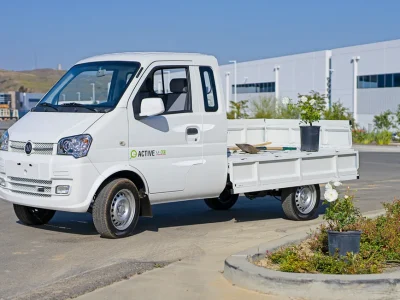
- Commercial Vehicles: Trucks, buses, and delivery vans used for logistics and public transport.
- Specialized Vehicles: Emergency response units, construction machinery, and agricultural equipment.
- Electric and Hybrid Vehicles: Environmentally conscious models combining performance and sustainability.
Each category plays a specific role in modern infrastructure, shaping how cities function and economies grow.
The Historical Evolution of Vehicles
The development of vehicles traces back to human innovation and the desire for efficiency. The earliest vehicles were animal-drawn carts and wagons. However, the industrial revolution in the 18th and 19th centuries gave rise to the first self-propelled machines, laying the groundwork for today’s automotive advancements.
Early Developments
- 1769: Nicolas-Joseph Cugnot built the first steam-powered vehicle, capable of moving under its own power.
- 1886: Karl Benz introduced the first gasoline-powered automobile, the Benz Patent-Motorwagen, marking the beginning of the modern car era.
- 1908: The introduction of assembly-line production revolutionized vehicle manufacturing, making automobiles affordable for the masses.
The Rise of Mass Production
The 20th century saw rapid industrialization and expansion of vehicle ownership. Mass production techniques made cars accessible to ordinary families, transforming personal mobility forever. This period also marked the rise of internal combustion engines, which dominated global transportation for decades.
The Technological Revolution
In the 21st century, the vehicle industry underwent a digital transformation. With the integration of electronics, sensors, and artificial intelligence, vehicles evolved into intelligent systems capable of self-diagnosis, adaptive control, and enhanced safety features. Today, vehicles are more efficient, connected, and sustainable than ever before.
Core Components of a Vehicle
To understand how vehicles operate, it’s essential to know their primary components and functions. Modern vehicles consist of multiple systems that work harmoniously to ensure safety, performance, and comfort.
1. Powertrain System
The powertrain is the heart of a vehicle, responsible for generating and transmitting power to the wheels.
Key elements include:
- Engine or Motor: Converts fuel or electrical energy into motion.
- Transmission: Regulates engine output and ensures smooth gear shifting.
- Drivetrain: Transfers torque from the transmission to the wheels.
The shift from gasoline engines to electric motors has revolutionized this system, introducing efficiency and environmental benefits.
2. Chassis and Suspension
The chassis provides structural integrity and support for all vehicle components. The suspension system, meanwhile, absorbs shocks and ensures stability on uneven roads.
Key functions:
- Enhances comfort by reducing vibration.
- Maintains traction and control.
- Supports handling and cornering stability.
3. Electrical and Electronic Systems
Modern vehicles rely heavily on electrical systems for operation and control. From lighting to advanced driver-assistance systems (ADAS), electronics play a crucial role.
Core components include:
- Battery and alternator
- Wiring harnesses
- Infotainment and navigation systems
- Sensor networks and onboard computers
4. Braking and Safety Systems
Vehicle safety is paramount. Braking systems have evolved from mechanical drum brakes to electronic, anti-lock braking systems (ABS) that improve stopping performance and prevent skidding. Many vehicles now integrate adaptive braking, lane departure warnings, and collision prevention technologies.
5. Body and Interior
The design and comfort of the vehicle interior significantly impact the driving experience. Ergonomics, soundproofing, and advanced climate control systems enhance passenger comfort. Meanwhile, exterior body design improves aerodynamics, reducing drag and improving fuel efficiency.
The Role of Technology in Vehicle Development
Technology has redefined every aspect of vehicle design, manufacturing, and operation. The integration of digital tools and artificial intelligence has led to smarter, safer, and more efficient vehicles.
1. Electric Vehicles (EVs)
Electric vehicles represent the future of automotive mobility. Powered by rechargeable batteries, EVs eliminate tailpipe emissions and significantly reduce dependence on fossil fuels. Advancements in lithium-ion and solid-state battery technologies have extended range, reduced charging times, and lowered operating costs.
Key benefits:
- Zero emissions and reduced environmental footprint.
- Lower maintenance costs compared to combustion engines.
- Government incentives and tax credits for EV buyers.
2. Autonomous Driving
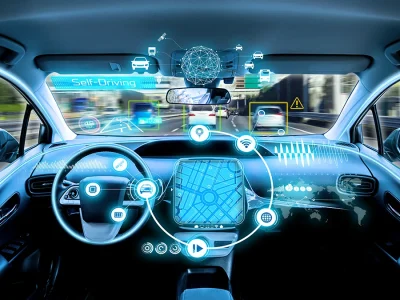
Self-driving technology is reshaping the future of mobility. Using sensors, cameras, and artificial intelligence, autonomous vehicles can navigate roads, interpret traffic signals, and make real-time decisions without human intervention.
Levels of autonomy range from driver assistance (Level 1) to fully autonomous systems (Level 5), with many vehicles today offering semi-automated features like adaptive cruise control and self-parking.
3. Connectivity and Smart Features
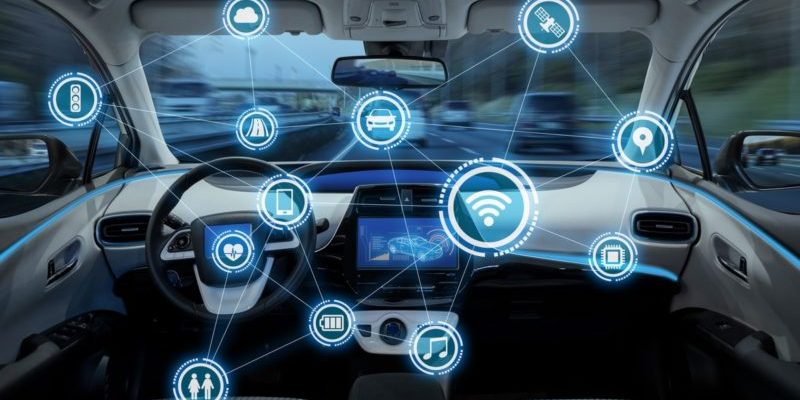
Connected vehicles communicate with each other and infrastructure through the Internet of Things (IoT). These systems provide real-time data for navigation, traffic updates, and remote diagnostics. Over-the-air software updates now allow manufacturers to improve performance and fix issues remotely.
4. Sustainability and Green Manufacturing
The automotive industry is investing heavily in sustainable manufacturing practices. Innovations include recyclable materials, renewable energy use in factories, and lightweight designs that improve efficiency. The goal is to create vehicles that minimize environmental impact across their entire lifecycle.
Vehicle Maintenance and Longevity
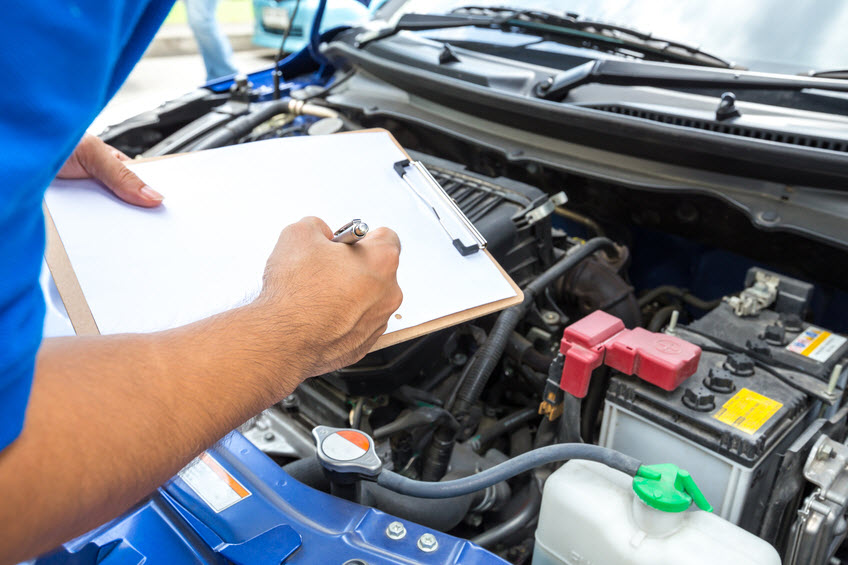
Owning a vehicle requires ongoing maintenance to ensure optimal performance and safety. Neglecting regular service can lead to decreased efficiency, expensive repairs, and reduced lifespan.
Essential maintenance includes:
- Oil and filter changes: Maintain engine lubrication and prevent wear.
- Brake inspection: Ensure safe stopping power.
- Tire maintenance: Regular rotation, alignment, and pressure checks extend tire life.
- Fluid checks: Monitor coolant, transmission fluid, and brake fluid.
- Battery care: Test voltage levels and replace when necessary.
By following a consistent maintenance schedule, drivers can keep their vehicles in peak condition for years.
The Environmental Impact of Vehicles
Vehicles have long been linked to environmental issues such as air pollution, greenhouse gas emissions, and resource depletion. However, advancements in clean energy and green technology are helping reduce these effects.
Modern solutions include:
- Hybrid vehicles: Combine gasoline and electric power for improved efficiency.
- Fuel cell vehicles: Use hydrogen to produce electricity, emitting only water vapor.
- Biofuels: Derived from organic sources to reduce carbon emissions.
- Recycling programs: Recover valuable materials from end-of-life vehicles.
The transition to cleaner technologies aligns with global efforts to achieve carbon neutrality and sustainable mobility.
Economic and Social Significance of Vehicles
Beyond transportation, vehicles contribute significantly to economic and social progress. The automotive industry supports millions of jobs worldwide, from manufacturing and logistics to repair and retail.
Economic impacts include:
- Driving innovation in engineering and technology.
- Supporting global trade and logistics networks.
- Enhancing accessibility and freedom of movement for individuals.
Vehicles also play a critical role in social development by connecting communities, improving emergency response, and expanding access to education and healthcare in remote areas.
The Future of Vehicles
The future of the automotive industry is defined by three key trends: electrification, automation, and shared mobility. As cities grow smarter, vehicles will become integral to connected ecosystems that prioritize safety, efficiency, and sustainability.
Emerging innovations shaping the future include:
- Vehicle-to-Everything (V2X) Communication: Cars communicating with roads, pedestrians, and infrastructure.
- Advanced Battery Technology: Solid-state batteries offering greater range and faster charging.
- Personalized Mobility Services: Subscription-based vehicle access instead of traditional ownership.
- 3D Printing in Manufacturing: Rapid production of parts with reduced waste and costs.
- Hydrogen Power: Clean, high-energy fuel for heavy-duty and long-distance vehicles.
These developments signify a shift toward smarter, more sustainable transportation systems designed for global efficiency.
FAQs about Vehicles
1. What is the difference between a hybrid and an electric vehicle?
A hybrid vehicle uses both an internal combustion engine and an electric motor, while an electric vehicle runs entirely on battery power without using gasoline.
2. How often should I service my vehicle?
Most vehicles should be serviced every 5,000 to 7,000 miles, but always refer to the manufacturer’s maintenance schedule for specific recommendations.
3. Are electric vehicles more expensive to maintain?
No. EVs typically have lower maintenance costs since they have fewer moving parts and no oil or exhaust systems.
4. What’s the average lifespan of a vehicle?
With proper maintenance, most modern vehicles can last between 12 and 15 years or around 200,000 miles.
5. How is vehicle safety improving with technology?
Advanced driver-assistance systems (ADAS) like automatic emergency braking, lane-keeping assist, and blind-spot detection have drastically reduced accident rates.
6. What materials are used to make vehicles more sustainable?
Manufacturers are incorporating aluminum, recycled plastics, and plant-based materials to reduce weight and environmental impact.
7. Will autonomous vehicles replace traditional cars completely?
Not immediately. While automation will become more common, human-driven vehicles will continue to coexist for decades due to infrastructure and regulatory challenges.
The evolution of vehicles is an ongoing journey of innovation, sustainability, and technological advancement. From combustion engines to electric power and from manual control to artificial intelligence, the future of vehicles is shaping a world that values efficiency, connectivity, and environmental responsibility.