 By Nazar Hubert
Driving is more than just a means of getting from one place to another; it is a skill that combines awareness, precision, and responsibility. Whether you are a new driver learning the basics or an experienced motorist looking to sharpen your skills, understanding the best driving tips can help you become safer, more efficient, and more confident behind the wheel. Every decision you make on the road has a direct impact not only on your safety but also on that of other drivers, pedestrians, and passengers. The goal of these comprehensive driving insights is to equip you with practical knowledge that enhances performance, conserves fuel, and reduces the risk of accidents.
Understanding the Importance of Safe Driving
Safe driving begins with awareness and preparedness. Many accidents occur not because of poor vehicle conditions, but due to driver error, distraction, or overconfidence. Developing a mindset focused on safety helps prevent risky behaviors such as tailgating, speeding, or multitasking while driving. A responsible driver stays attentive, obeys traffic laws, and anticipates potential hazards well in advance.
When applied consistently, good driving habits can:
- Lower accident risks and insurance costs
- Reduce vehicle wear and tear
- Improve fuel efficiency
- Promote confidence in various weather and traffic conditions
- Contribute to a more courteous and predictable driving environment
Mastering Vehicle Control and Awareness
Controlling your vehicle effectively requires coordination between observation, judgment, and reaction. Maintaining awareness of your surroundings is crucial for preventing unexpected incidents.
1. Maintain Proper Seating and Steering Position
Your seating position directly affects visibility and control. Sit upright with your back against the seat, both hands on the wheel, and elbows slightly bent. Keep your seat close enough to reach pedals comfortably but far enough to allow free leg movement. Adjust your mirrors to minimize blind spots and ensure a clear view of all sides.
2. Use the “10 and 2” or “9 and 3” Hand Position
The traditional “10 and 2” hand position provides stability, but many experts now recommend “9 and 3” to enhance airbag safety and control during sharp maneuvers. Avoid steering with one hand or resting a hand at the top of the wheel, as it limits your ability to respond quickly.
3. Stay Aware of Blind Spots
Always check mirrors and turn your head briefly before changing lanes. Relying solely on mirrors can miss vehicles or motorcycles in your blind zones. Consider installing blind-spot monitoring systems if your vehicle supports them.
4. Smooth Acceleration and Braking
Abrupt acceleration or hard braking wastes fuel and wears down vehicle components. Gradual control ensures better balance, improves passenger comfort, and reduces the risk of losing traction on slippery surfaces.
Defensive Driving Techniques
Defensive driving involves anticipating potential hazards and reacting calmly to avoid collisions. It’s about being prepared for the unexpected actions of other drivers.
Maintain Safe Following Distance
Always keep a distance of at least three seconds from the vehicle ahead. Increase this gap during rain, fog, or icy conditions. A safe distance gives you adequate reaction time if the driver in front stops suddenly.
Scan the Road Ahead
Look beyond the car directly in front of you. By scanning 10–12 seconds ahead, you can identify traffic slowdowns, pedestrians, or obstacles early and adjust accordingly.
Avoid Aggressive Driving
Road rage, tailgating, and unnecessary honking can escalate dangerous situations. Staying calm and courteous improves focus and decision-making. Let aggressive drivers pass rather than retaliating.
Use Headlights Properly
Always use headlights during dawn, dusk, rain, or fog. In poor visibility, low-beam headlights provide better clarity than high beams, which can reflect glare. Proper lighting not only improves your vision but also helps others see you clearly.
Driving Tips for Different Weather Conditions
Driving in Rain
Wet roads significantly reduce traction.
- Turn on headlights and wipers.
- Avoid using cruise control on slippery roads.
- Brake gently to prevent hydroplaning.
- Stay in the middle lanes where water tends to drain better.
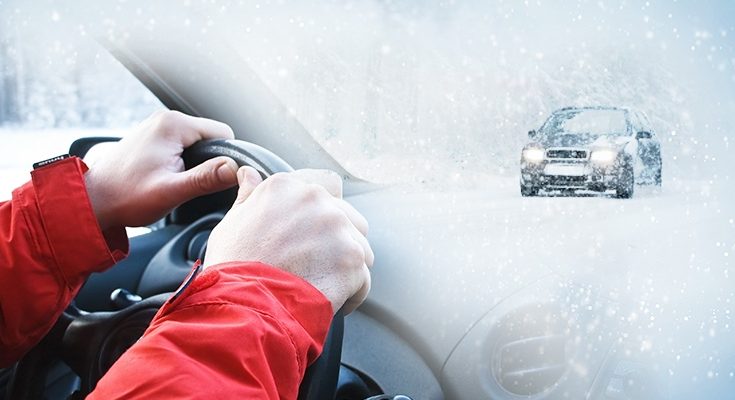
Driving in Snow or Ice
Winter driving requires patience and preparation.
- Equip your vehicle with snow tires or chains if necessary.
- Accelerate and brake gradually to maintain grip.
- Increase following distance to at least six seconds.
- If the car skids, steer in the direction of the skid without slamming brakes.
Driving in Fog
Fog is one of the most dangerous driving conditions due to reduced visibility.
- Use fog lights or low beams instead of high beams.
- Follow road markings and maintain lane discipline.
- Avoid sudden lane changes or overtaking.
Driving in Hot Weather
High temperatures can affect vehicle performance.
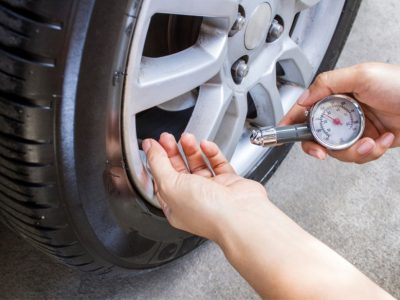
- Check tire pressure frequently, as heat can cause overinflation.
- Ensure your cooling system is functioning properly.
- Avoid driving long distances without rest to prevent fatigue.
Fuel-Efficient Driving Techniques
Fuel efficiency is not only good for your wallet but also for the environment. Small adjustments in driving behavior can result in significant fuel savings.
- Avoid idling for long periods; it wastes fuel and produces unnecessary emissions.
- Maintain steady speeds and avoid rapid acceleration.
- Use air conditioning sparingly, as it increases engine load.
- Remove roof racks or heavy cargo when not needed to reduce drag.
- Keep tires properly inflated to minimize rolling resistance.
Handling Emergencies on the Road
Even experienced drivers encounter unexpected situations. Knowing how to react can make the difference between a minor inconvenience and a major accident.
Tire Blowout
Keep a firm grip on the steering wheel, avoid slamming the brakes, and let the car slow down gradually. Move to a safe area before replacing the tire.
Brake Failure
If brakes fail, downshift to a lower gear and use the parking brake gradually. Flash hazard lights and steer toward the shoulder.
Engine Overheating
Pull over safely, turn off the engine, and wait for it to cool before opening the hood. Never remove the radiator cap when hot.
Skidding
Ease off the accelerator and steer gently in the direction you want to go. Avoid braking hard, as it can worsen the skid.
Driving Etiquette and Road Courtesy
Good driving goes beyond skill; it reflects discipline and respect for others.
- Always signal before turning or changing lanes.
- Yield the right-of-way when required.
- Avoid using your phone while driving.
- Don’t block intersections or pedestrian crossings.
- Be patient with new drivers or slower vehicles.
Polite and predictable driving behavior reduces road stress for everyone and creates a safer environment.
Vehicle Maintenance for Safe Driving
Safe driving also depends on the condition of your vehicle. Routine maintenance ensures your car responds properly in all situations.
Key maintenance checks include:
- Brake Inspection: Worn pads or low brake fluid reduce stopping power.
- Tire Maintenance: Rotate tires every 6,000 miles and check tread depth.
- Fluid Levels: Keep engine oil, coolant, and transmission fluids topped up.
- Battery Health: Inspect terminals for corrosion and ensure proper voltage.
- Lights and Signals: Replace burned-out bulbs immediately to remain visible.
A well-maintained car enhances safety, reliability, and fuel economy.
Psychological Aspects of Driving
Driving requires mental focus, patience, and emotional control. Stress or distraction can impair judgment and slow reaction times.
To maintain concentration:
- Avoid driving when tired, angry, or under the influence of substances.
- Take short breaks on long trips to prevent fatigue.
- Listen to calm music or maintain a comfortable cabin temperature.
- Practice mindfulness to stay focused on your surroundings.
A calm mindset enhances awareness and promotes safer decision-making on the road.
Modern Technology and Safe Driving
Technology plays an increasing role in improving road safety and driver convenience.
Key innovations include:
- Adaptive Cruise Control: Maintains a safe following distance automatically.
- Lane Departure Warning: Alerts drivers when they drift out of their lane.
- Blind Spot Detection: Monitors hard-to-see areas around the vehicle.
- Collision Avoidance Systems: Automatically applies brakes if a collision is imminent.
While these systems enhance safety, drivers must remain attentive and not rely solely on automation.
Real-World Driving Tips for Long Journeys
Long trips require extra preparation and focus.
- Plan your route in advance and check traffic updates.
- Pack essentials like water, snacks, and a first-aid kit.
- Take breaks every two hours to rest your eyes and stretch.
- Keep emergency contact numbers accessible.
- Ensure your car’s fluids, tires, and battery are checked before departure.
Being proactive reduces fatigue and ensures a smoother travel experience.
FAQs about Driving Tips
1. What is the most common mistake new drivers make?
Many new drivers underestimate stopping distances and follow too closely. Keeping a safe distance allows enough time to react to sudden stops.
2. How can I stay focused on long drives?
Take frequent breaks, stay hydrated, and avoid heavy meals. Listening to podcasts or music at moderate volume helps maintain alertness.
3. Is it better to drive slower in heavy rain?
Yes. Reducing speed in wet conditions improves traction and gives you more control if you hydroplane.
4. How do I improve night driving visibility?
Keep your headlights clean and properly aligned, avoid looking directly at oncoming lights, and ensure your windshield is spotless to prevent glare.
5. Can I rely on driver-assistance systems completely?
No. While these systems support safer driving, the driver must remain attentive and ready to intervene at all times.
6. How do I handle tailgaters safely?
Avoid sudden braking. Instead, maintain a steady speed and allow them to pass when possible.
7. Why is defensive driving training important?
Defensive driving reduces accident risk by teaching drivers how to anticipate hazards, manage distractions, and respond calmly under pressure.
By applying these driving tips, you’ll not only improve your safety and efficiency but also contribute to a more disciplined and respectful road culture. Smart driving is about consistency, awareness, and control—qualities that define the difference between a cautious driver and a confident one.