 By Nazar Hubert
Why these trucks matter on set
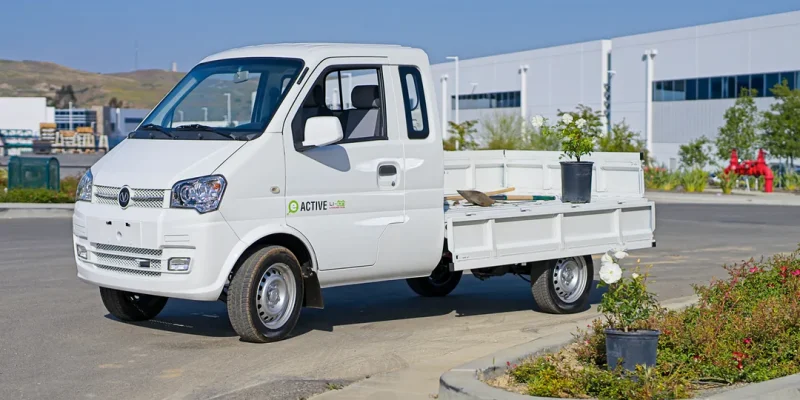
Some tools do their job quietly. They do not ask for praise. They do not make noise. They keep the day moving. That is why we keep coming back to the value of low-speed trucks for film sets. They are built for short trips, heavy loads, and tight spaces where a full-size vehicle would feel like a bad joke.
On a film day, small delays add up fast. One missed move can slow lighting. One late cart can stall wardrobe. One awkward turn can throw off the whole plan. That is why this guide matters. We will look at how these trucks help crews move gear, save time, and stay calm when the set gets crowded. We will also cover what to check before use, how to match the truck to the job, and why simple planning matters more than fancy gear. Let’s be honest, no one wants a smooth shoot ruined by a bad transport choice.
There is also a hidden win here. Good on-set transport does more than move boxes. It helps people work with less stress. It gives teams a cleaner path between stages, trailers, and storage spots. It cuts down on wasted steps. It keeps small tools close and big tools in order. That means fewer lost items and fewer “Where did that go?” moments.
For crews, that kind of setup feels small at first. Then the day gets busy, and it starts to matter a lot. A truck that moves at a safe, low speed can handle set traffic better than a fast vehicle. It can fit the pace of production without turning the lot into a rush job. It also gives drivers more control in spots where people, cables, and gear all share the same space.
In short, this is about more than transport. It is about flow. It is about keeping the set steady, clear, and ready for the next shot.
How to choose the right truck for your set
Picking the right truck starts with the job, not the brand. You need to know what the truck will carry and where it will go. A small camera move is not the same as hauling props or lighting gear. That sounds obvious, but teams skip it all the time. Then the truck is too small, too wide, or just plain awkward.
You should also look at turning space. Film sets can be crowded and weirdly shaped. A truck that turns well can save more time than a faster one. Battery life matters too if the truck runs on electric power. If it dies halfway through the day, it becomes a problem instead of a helper. Load size, seat layout, and storage space all matter too. No one likes stacking gear in a way that feels like a game of chance.
- Check the heaviest load first.
- Match the truck size to the paths on set.
- Look for easy controls and clear sight lines.
- Make sure it fits indoor and outdoor use.
- Ask who will drive it before the shoot starts.
One more thing. Think about noise. Some sets need near silence. That is normal. A loud truck can spoil a take or force a reset. Low noise is a real plus, even if it sounds small on paper. In film work, small things are rarely small.
The best choice is the one that fits the crew’s pace. Not too big. Not too slow. Not too hard to use. Just right for the way the set works day to day.
What makes on-set transport safer and easier
Safety on a film set is not just about signs and rules. It is about how people move. A low-speed truck helps because it keeps motion under control. That matters near cables, tripods, carts, and people carrying gear. It gives drivers more time to stop and steer. That little bit of control can save a lot of trouble.
Clear paths help too. Crews should keep walkways open and mark loading spots well. If the truck has a clear route, the chance of bumps drops fast. Drivers should not be guessing where to go. Guessing is fine for trivia night. Not for a busy set. Training also matters. Even a simple rundown before work starts can help people use the truck the right way.
- Keep paths free of loose gear.
- Mark stops points and loading spots.
- Use one person to guide tight moves.
- Keep speeds low near cast and crew.
- Check brakes, lights, and tires each day.
Weather can change things fast. Wet ground, soft dirt, and sharp turns can make a calm move go wrong. So, it helps to slow down even more when the set changes. A truck that handles rough ground well can also make life easier outdoors. That keeps gear safer and crew less worn out.
A safer set is usually a calmer set. And a calmer set gets work done with fewer delays. That is the real payoff.
Why simple planning saves time on busy shoot days
Good planning often looks boring. That is fine. Boring plans save exciting days. When transport is mapped out ahead of time, the whole crew feels it. Gear gets where it needs to go. People do not wait around. Moves happen in the right order. That cuts down on stress and keeps the day on track.
The best plan starts before the first shot. Decide which loads move first. Decide who rides with the truck. Decide where it should park between runs. This helps avoid last-minute chaos. It also keeps the truck from becoming a moving pile of random stuff, which is never fun to clean up.
- Plan the day in load order.
- Keep a clear parking spot ready.
- Separate gear by trip and use.
- Assign one person to track the move.
- Review the route before work starts.
It also helps to keep a backup plan. If one path gets blocked, there should be another one ready. If gear changes, the truck plan should change too. That flexibility saves time without making the day messy. Small changes are easier when the team already knows the system.
In the end, planning gives the truck a purpose. It is not just there to move things. It is there to keep the whole day from slipping off pace.
What to do next for a smoother set
A better shoot often starts with one simple choice. Pick transport that fits the way the set really works. Not the way it looks on paper. Not the way it sounds in a sales pitch. The real test is how it handles tight turns, short runs, heavy gear, and busy crew paths.
We believe the best sets are the ones that stay calm under pressure. That does not happen by luck. It comes from smart tools, clear routes, and plain good planning. When teams use the right truck, the day feels lighter. People move faster. Gear stays safer. And the work gets done with less noise and less waste.
If you are planning your next shoot, start with the transport map. Look at the loads. Look at the paths. Then choose the truck that matches the job. That one move can make the rest of the day a lot easier.