 By Nazar Hubert
Tires are the single most critical safety and performance link between an automobile and the road surface. Every acceleration, brake input, and sharp turn travels through four small contact patches of rubber. While selecting high-grade replacement tires and conducting regular service checks are vital, the actual driving techniques applied behind the wheel have an immediate impact on tread longevity, sidewall health, and dynamic vehicle responsiveness.
Aggressive, disjointed driving habits subject tire compounds and internal carcass plies to extreme friction, mechanical shear forces, and thermal stress. Conversely, practicing smooth, disciplined driving techniques preserves tread depth, prevents uneven wear patterns, and maximizes road adhesion. Mastering practical driving strategies protects your investment in rubber while making every journey safer, more predictable, and more fuel-efficient.
Mastering Smooth Inputs for Throttle, Braking, and Steering
The foundational rule of performance driving and tire preservation is smoothness. Rapid, abrupt changes in vehicle momentum overload the tire contact patch, forcing the rubber to scrub against the abrasive asphalt rather than gripping it cleanly.
Practicing smooth vehicle control involves several fundamental habits:
-
Progressive Braking Application: Avoid stabbing the brake pedal at the last second before an intersection or sharp turn. Begin braking early with gentle initial pressure, increase clamping force smoothly as needed, and taper off pedal pressure right before coming to a complete stop. This prevents front-end diving, locks the tire contact patch firmly onto the pavement, and eliminates localized flat-spotting.
-
Linear Throttle Delivery: Flooring the accelerator from a dead stop causes wheel spin and rapid tread burn-off, especially on high-torque front-wheel-drive or electric platforms. Apply progressive pressure to the throttle to allow the driving wheels to hook up cleanly with the pavement.
-
Calculated Steering Transitions: Jerking the steering wheel into a corner places immense lateral strain on the outside tire sidewalls, causing rapid shoulder scrub and premature tire rollover. Turn the steering wheel with measured, fluid motions to let the suspension settle into its natural roll angle.
By balancing mechanical forces smoothly through the chassis, you reduce the heat and friction that degrade automotive rubber compounds.
Cornering Dynamics and Proper Driving Line Execution
Negotiating turns incorrectly is one of the fastest ways to shred tire edges and compromise vehicle balance. When entering a corner too fast, the vehicle experiences either understeer where the front tires push wide, or oversteer where the rear tires break loose. Both conditions cause significant rubber loss and destabilize the car.
To preserve tires while cornering and maintain razor-sharp handling:
-
Complete Braking in a Straight Line: Always decelerate to your target cornering speed while the vehicle is traveling straight before turning the steering wheel. Braking while actively steering overburdens the front tires, asking them to handle both longitudinal deceleration and lateral cornering loads simultaneously.
-
Hit the Proper Apex: Use a smooth arc through the turn. Enter wide, hit the inner geometric apex of the corner smoothly, and unwind the steering wheel as you accelerate gently out of the bend. This straightens the line of travel and minimizes lateral tire scrub.
-
Maintain Neutral Mid-Corner Throttle: Keep a steady, light throttle input while negotiating the center of a curve. Abruptly lifting off the throttle mid-corner shifts weight forward suddenly, unloading the rear tires and increasing the risk of dynamic instability.
Approaching every curve with controlled momentum and calculated steering angles keeps the entire tread width planted flat on the road surface.
Anticipating Road Hazards and Surface Imperfections
Road surfaces are rarely pristine. Potholes, highway expansion joints, construction debris, loose gravel, and railway crossings pose serious structural risks to automotive tires and precision suspension geometry.
Developing proactive defensive driving habits shields your tires from impact damage:
-
Scan the Road Ahead Actively: Train your eyes to look twelve to fifteen seconds down the road rather than focusing only on the bumper in front of you. Spotting sunken manhole covers, deep potholes, and debris early gives you ample time to maneuver safely around them without sudden swerves.
-
Do Not Brake Directly Over Potholes: If hitting a pothole or severe road bump is unavoidable, brake firmly before the impact, but release the brake pedal entirely right before the tire strikes the hole. Braking compresses the front suspension, removing spring travel and forcing the tire sidewall and wheel rim to absorb the full, unbuffered force of the impact. Releasing the brake allows the suspension to absorb the impact naturally, preventing pinched sidewalls and broken internal steel belts.
-
Avoid Dry Steering: Turning the steering wheel completely from lock to lock while the vehicle is sitting stationary on coarse concrete creates severe friction between the stationary tire and the ground. This grinds down the tread rubber and strains steering components. Always allow the vehicle to roll forward or backward slightly before turning the wheel.
-
Navigate Driveways and Speed Bumps at an Angle: Approaching steep curb transitions and parking lot speed bumps at a slight diagonal angle prevents the front bumper from scraping and lets each wheel articulate over the obstacle independently, reducing impact shock.
Managing Vehicle Weight Distribution and Payload
Excess vehicle weight forces tires to flex and deform continuously under rotation. This excessive deformation generates high internal temperatures, accelerates center and shoulder wear, and dulls vehicle steering response.
Managing vehicle load effectively helps protect your tires and preserve handling balance:
-
Clear Out Unnecessary Cargo: Carrying heavy tools, unused roof racks, or heavy leisure gear in the trunk forces the rear suspension down and shifts the vehicle center of gravity rearward, causing excessive tire squat and reduced front steering grip.
-
Distribute Internal Weight Evenly: When packing luggage or hauling cargo, distribute the heaviest items low and toward the center of the vehicle chassis rather than concentrating loads behind the rear axle.
-
Respect Gross Vehicle Weight Ratings: Never exceed the manufacturer gross vehicle weight rating stamped on the driver door jamb. Overloading tires compromises sidewall stability, increases braking distances significantly, and risks sudden catastrophic blowout.
Driving in Extreme Weather Conditions
Weather changes require deliberate adjustments to driving behavior to prevent tire damage and preserve mechanical grip.
During scorching summer heat, asphalt temperatures can exceed one hundred and forty degrees Fahrenheit. Sustained high-speed highway driving under these conditions causes tire temperatures to spike. Driving at steady, moderate speeds and avoiding aggressive acceleration runs preserves rubber integrity.
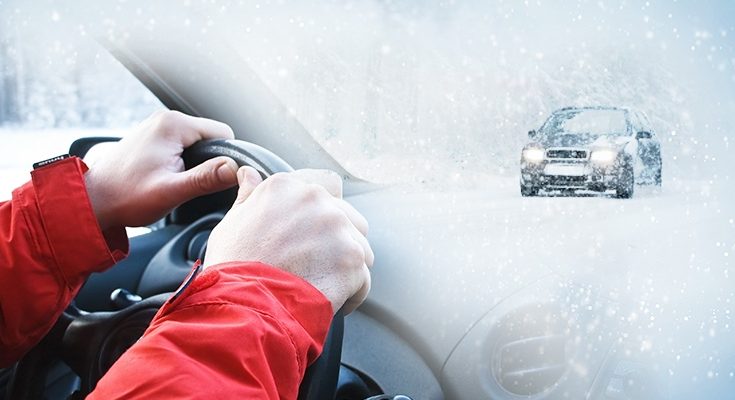
In wet or freezing conditions, standing water, slush, and black ice reduce chemical adhesion to near zero. Maintaining increased following distances and reducing driving speed by at least twenty percent allows the sipes and circumferential tread channels adequate time to evacuate liquid, preventing hydroplaning and preserving direct contact with the road.
Frequently Asked Questions
How does aggressive acceleration wear down tires on modern electric vehicles compared to gas-powered vehicles?
Electric vehicles produce maximum electric motor torque instantly from zero rotations per minute without the gradual power build of an internal combustion engine. When a driver accelerates rapidly from a stop in an electric car, this instant torque delivery creates high rotational shear forces across the tire contact patch. Because electric vehicles also carry heavy battery packs, this torque combined with vehicle weight grinds down tire tread depth up to thirty percent faster if driven with aggressive throttle inputs.
What is flat-spotting on a tire and how does driving behavior cause or prevent it?
Flat-spotting occurs when a specific section of the tread is worn down flat or deformed. This happens mechanically during a severe panic stop in older vehicles lacking anti-lock brakes, where locked wheels skid along the pavement. Flat-spotting also occurs thermally when a vehicle is parked immediately after aggressive, high-speed driving with hot tires; as the heavy car sits on cold ground, the contact patch flattens as it cools. Avoiding hard lockups and allowing tires a few minutes of gentle driving to cool down before long-term parking prevents this problem.
Why does driving closely behind large commercial trucks increase tire wear and damage risks?
Tailgating commercial vehicles blocks your forward field of vision, preventing you from spotting potholes, metal debris, and shredded tire treads in the roadway until it is too late to avoid them. Furthermore, heavy multi-axle commercial trailers kick up loose rocks, industrial gravel, and discarded road hardware directly into the path of your car, leading to tread gouges, sidewall cuts, and stone drilling into the tire belts.
How does cornering at high speeds affect tire shoulder wear on non-performance vehicles?
Standard passenger cars utilize suspension geometries tuned for comfort, which allows the vehicle body to lean outward in sharp turns. When cornering at elevated speeds, the outside tires roll onto their outer edges due to body roll and sidewall flex. This dynamic distortion concentrates the entire cornering load onto the outer shoulder tread blocks rather than across the whole footprint, rapidly wearing away the shoulder rubber while leaving the center tread untouched.
Can regular highway speed control extend the mileage life of automotive tires?
Yes, maintaining moderate highway cruising speeds significantly extends tire life. Aerodynamic drag and internal rolling resistance increase exponentially at speeds above seventy miles per hour. This elevated speed generates high internal carcass friction and thermal heat buildup within the rubber compound. Elevated heat softens the synthetic polymers in the tire, accelerating the rate of rubber shed against the road surface.
How does aggressive curb bumping during parallel parking permanently damage tire internal structures?
Scraping or bumping against concrete curbs during parking pinches the tire sidewall between the heavy wheel rim and the hard curb edge. This crushing impact breaks the internal radial polyester cords and steel plies hidden inside the sidewall, without necessarily puncturing the outer rubber immediately. Over time, internal air pressure pushes through this weakened structural carcass, forming a visible sidewall bubble or bulge that creates a severe risk of high-speed tire failure.
What is your reaction?
Excited
0
Happy
0
In Love
0
Not Sure
0
Silly
0