 By Nazar Hubert
The automotive industry has evolved from basic mechanical vehicles into an ecosystem defined by technology, sustainability, and automation. Cars are no longer just machines designed for transportation; they are intelligent systems capable of communication, self-diagnosis, and adaptation. In today’s world, the automotive sector plays a crucial role in the global economy, shaping employment, infrastructure, and innovation in nearly every nation. Understanding how this industry operates, transforms, and adapts is key for consumers, manufacturers, and investors alike.
The Foundation of the Automotive Industry
The automotive industry encompasses the design, development, manufacturing, marketing, and servicing of motor vehicles. It’s one of the world’s largest economic sectors by revenue, employing millions globally. It includes various types of vehicles such as passenger cars, trucks, buses, and motorcycles, along with supporting systems like parts suppliers, technology providers, and logistics companies. This industry is characterized by rapid technological change and fierce global competition.
Evolution from Mechanization to Digitization
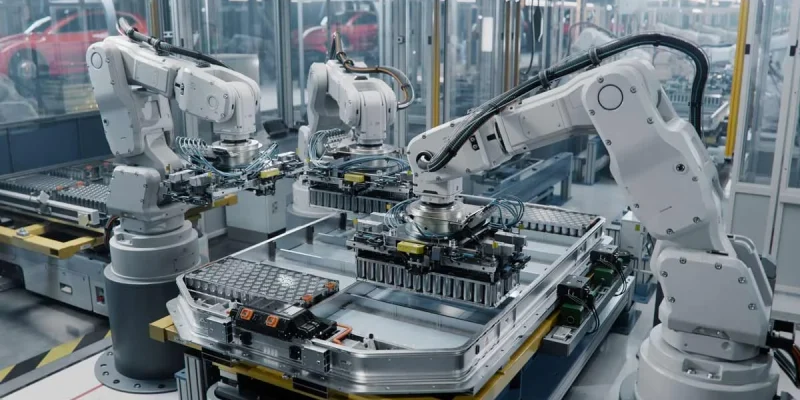
Since the early 20th century, the automotive industry has undergone several major transformations. The first revolution was mass production, pioneered by assembly lines that made vehicles affordable and accessible. The second major shift came with automation, introducing machines to enhance precision and efficiency. Now, the world is witnessing the third revolution: digitization and electrification.
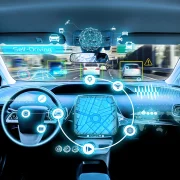
Modern vehicles are integrated with advanced electronics, artificial intelligence, and data systems that enable autonomous driving, connectivity, and enhanced safety. This digital transformation has created a new era of smart mobility, reshaping how humans interact with machines.
The Role of Technology in Automotive Advancement
Technology is the backbone of modern automotive progress. It influences everything from vehicle design and safety to manufacturing and sustainability. Several key technological domains drive innovation across the sector:
1. Electric Vehicles (EVs)
The transition from internal combustion engines to electric propulsion marks one of the most significant changes in automotive history. Electric vehicles operate with fewer moving parts, reducing maintenance costs while promoting cleaner transportation.
- Battery Technology: Lithium-ion batteries dominate the market, but solid-state batteries are emerging for higher energy density and faster charging.
- Charging Infrastructure: Expansion of fast-charging networks is making EV adoption more practical.
- Energy Efficiency: Regenerative braking and smart energy management systems extend range and performance.
The widespread adoption of EVs is essential for achieving global carbon reduction targets and reshaping urban mobility.
2. Autonomous Driving
Self-driving technology is advancing rapidly, combining sensors, radar, LiDAR, and AI-driven algorithms. These systems enable vehicles to interpret their surroundings and make decisions in real time.
- Levels of Autonomy: The Society of Automotive Engineers (SAE) defines six levels, from Level 0 (no automation) to Level 5 (full automation).
- Safety Benefits: Autonomous systems reduce human error, which accounts for over 90% of traffic accidents.
- Challenges: Regulatory approval, ethical decision-making, and cybersecurity remain key hurdles.
The integration of autonomous systems has already begun in fleet management, ride-sharing, and logistics operations, signaling a new era of transportation efficiency.
3. Connected Vehicles
Connectivity has become a defining feature of modern vehicles. Cars can now communicate with infrastructure, other vehicles, and cloud networks.
- V2V and V2I Communication: Vehicle-to-Vehicle and Vehicle-to-Infrastructure technologies enhance traffic management and collision prevention.
- Infotainment and Telematics: Drivers enjoy real-time navigation, streaming, and remote diagnostics.
- Over-the-Air (OTA) Updates: Manufacturers can now update software remotely, improving performance and security without dealership visits.
This connectivity transforms vehicles into mobile data centers, offering convenience and intelligence at every mile.
4. Sustainable Manufacturing
Sustainability extends beyond electric vehicles; it includes how cars are built, sourced, and recycled.
- Recycled Materials: Automakers increasingly use eco-friendly materials like bio-based plastics, aluminum, and plant fibers.
- Energy-Efficient Production: Modern factories utilize renewable energy and closed-loop water systems.
- End-of-Life Recycling: Vehicle recycling initiatives recover valuable metals and reduce environmental waste.
These advancements support a circular economy where automotive production contributes to environmental preservation rather than depletion.
Global Market Trends in the Automotive Sector
The automotive industry is influenced by numerous market forces, from economic fluctuations to regulatory policies. Several trends are shaping its direction:
- Electrification of Fleets: Governments and corporations are converting fleets to electric to reduce emissions.
- Urban Mobility Solutions: Shared mobility services and micro-mobility devices are transforming city transportation.
- Digital Retail: Online vehicle purchasing and virtual showrooms are redefining car sales.
- Supply Chain Localization: Manufacturers are diversifying supply chains to mitigate global disruptions.
These shifts are accelerating innovation and altering the competitive landscape, making adaptability a key factor for success.
Automotive Safety Innovations
Safety remains a cornerstone of automotive engineering. Technological improvements continue to minimize accident risks and protect passengers.
- Advanced Driver Assistance Systems (ADAS): Features like lane-keeping assist, adaptive cruise control, and blind-spot monitoring enhance driver awareness.
- Crash Avoidance Technology: Predictive sensors identify hazards before collisions occur.
- Enhanced Airbag Systems: Modern airbags adjust deployment based on impact force and passenger size.
- Night Vision and 360° Cameras: These systems improve visibility and situational awareness in challenging conditions.
Such innovations have drastically reduced fatality rates and are paving the way toward a zero-accident future.
Economic Impact of the Automotive Industry
The automotive industry significantly influences global economies. It contributes to GDP, supports manufacturing jobs, and drives technological growth. In the United States alone, it supports over 9 million jobs directly and indirectly.
- Manufacturing Hubs: Automotive production stimulates local economies through infrastructure development.
- Innovation Investment: Billions are spent annually on research and development.
- Export Revenue: Vehicles and components represent major export categories for many nations.
Beyond economics, the industry also stimulates growth in logistics, finance, and technology sectors, making it a vital part of national development.
Environmental Impact and Green Initiatives
With climate change concerns rising, automakers are under pressure to minimize their environmental footprint. Efforts include:
- Reducing Carbon Emissions: Transitioning to EVs and hybrid systems to lower greenhouse gases.
- Eco-Friendly Materials: Incorporating biodegradable fabrics and non-toxic paints.
- Recycling Programs: Recovering metals, plastics, and batteries for reuse.
- Carbon-Neutral Factories: Automakers are committing to 100% renewable energy production lines.
These initiatives not only enhance brand reputation but also ensure long-term compliance with global environmental regulations.
Artificial Intelligence in Automotive Engineering
AI plays a transformative role in automotive design, manufacturing, and performance optimization.
- Predictive Maintenance: AI systems analyze sensor data to detect failures before they happen.
- Smart Navigation: Machine learning algorithms optimize routes for efficiency.
- Driver Behavior Analysis: AI monitors fatigue levels and adapts safety systems accordingly.
- Quality Control: Automated vision systems inspect parts for defects during assembly.
The use of AI in automotive engineering increases efficiency, safety, and reliability, driving the next wave of intelligent mobility.
The Future of the Automotive Industry
The future of automotive innovation lies at the intersection of electrification, automation, and sustainability. Emerging developments include:
- Vehicle-to-Grid (V2G) Technology: Allowing EVs to store and return electricity to the grid.
- Hydrogen Fuel Cells: Offering clean energy solutions for heavy-duty transportation.
- Smart Infrastructure: Roads equipped with sensors to communicate with vehicles.
- Personalized Mobility: Subscription-based car access and modular vehicle designs.
The industry is heading toward an integrated mobility ecosystem where convenience, technology, and environmental consciousness coexist seamlessly.
FAQs about the Automotive Industry
1. What is the biggest challenge facing the automotive industry today?
The primary challenge is balancing sustainability with profitability. Manufacturers must reduce emissions and production waste while maintaining affordability and performance.
2. How does artificial intelligence benefit car owners?
AI enhances safety through predictive systems, improves navigation, and provides real-time diagnostics to prevent breakdowns, ensuring smoother driving experiences.
3. Are electric vehicles truly better for the environment?
Yes, EVs produce no tailpipe emissions and have a smaller carbon footprint over their lifetime, especially when charged using renewable energy sources.
4. What role does 5G technology play in modern vehicles?
5G enables ultra-fast data transfer for connected and autonomous vehicles, supporting instant communication and real-time system updates.
5. How are automotive manufacturers dealing with chip shortages?
Manufacturers are diversifying suppliers, investing in local semiconductor production, and redesigning vehicle electronics to be more flexible.
6. What is the difference between hybrid and electric vehicles?
Hybrid vehicles combine a gasoline engine with an electric motor, while electric vehicles operate entirely on battery power with zero emissions.
7. Will autonomous vehicles replace traditional driving completely?
Not immediately. Full autonomy requires further technological, legal, and ethical advancements, but partial automation is already enhancing driver assistance and safety.
By understanding the depth and innovation within the automotive industry, it becomes clear that the future of transportation is not just about movement but about smart, sustainable, and efficient mobility. This evolution continues to reshape the world’s economic, environmental, and technological landscapes—driving humanity toward a connected and cleaner future.