 By Nazar Hubert
The car dealer industry stands at the intersection of commerce, technology, and consumer behavior. For over a century, dealerships have served as the critical bridge between automobile manufacturers and everyday drivers. While the basic premise of buying and selling vehicles remains the same, the process itself has evolved dramatically through innovation, digital transformation, and changing consumer expectations. Today’s car dealer is not just a sales representative; they are a consultant, a financial advisor, and a technology expert all at once. Understanding how car dealers operate, make profits, and adapt to trends offers deep insight into one of America’s most influential industries.
What Is a Car Dealer?
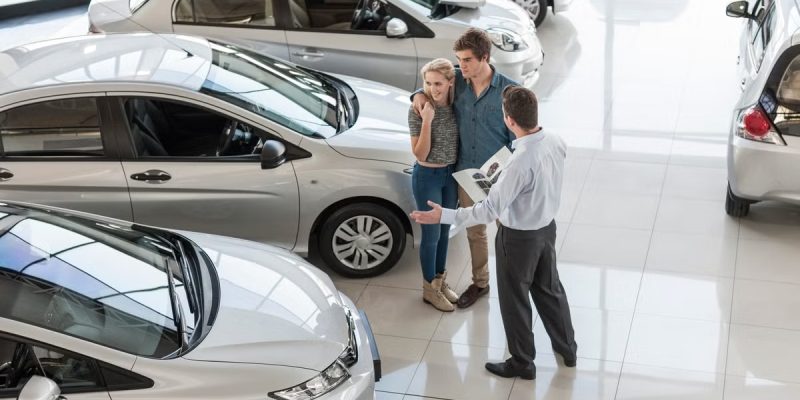
A car dealer is a licensed business authorized to sell new or used vehicles directly to consumers. Dealerships can be franchise dealers, which sell vehicles from specific manufacturers under contractual agreements, or independent dealers, who specialize in pre-owned vehicles across multiple brands. In the United States, nearly all new vehicle sales occur through franchised dealerships that maintain strict brand guidelines, showroom standards, and service requirements.
Dealerships are more than showrooms; they are comprehensive automotive centers offering financing, maintenance, and warranty services. Their operations are tightly regulated by state laws that govern pricing transparency, consumer rights, and sales processes.
The Structure and Operation of a Modern Car Dealership
Every dealership operates like a multifaceted business with several departments working together to drive profitability and customer satisfaction.
1. The Sales Department
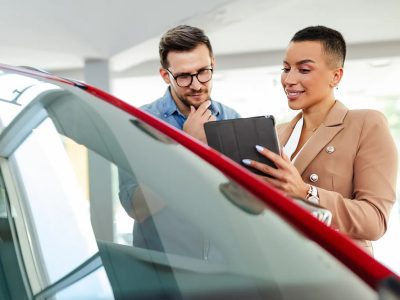
This is the most visible aspect of any car dealer’s operation. The sales department manages vehicle inventory, negotiates deals, and ensures customers find the right car for their needs. Sales teams are trained to understand features, financing options, and trade-in values. They also manage customer test drives and provide detailed walkarounds to highlight performance and safety attributes.
Key responsibilities include:
- Maintaining and updating the vehicle inventory
- Understanding manufacturer incentives and promotions
- Processing customer paperwork and documentation
- Negotiating vehicle pricing and financing terms
Sales success depends heavily on product knowledge, negotiation skills, and customer relationships.
2. The Finance and Insurance (F&I) Department
The F&I department plays a crucial role in dealership profitability. After a vehicle sale is finalized, customers visit this department to handle financing, warranties, and insurance products. Finance managers work with multiple lenders to find suitable loan terms for buyers and often earn commissions on approved deals.
Typical F&I services include:
- Securing vehicle loans or lease agreements
- Offering extended warranties or service contracts
- Selling vehicle protection plans and gap insurance
- Managing credit applications and approvals
This department is often one of the most profitable segments of a dealership because of the high-margin products it provides.
3. The Service and Parts Department
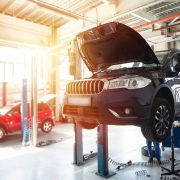
Beyond sales, many car dealers derive significant revenue from servicing vehicles. Dealerships offer maintenance, repairs, and genuine manufacturer parts that ensure the vehicle’s longevity and performance. Certified technicians use advanced diagnostic tools and manufacturer-approved procedures to maintain quality.
Core responsibilities include:
- Scheduled maintenance (oil changes, tire rotations, etc.)
- Warranty and recall repairs
- Installation of OEM parts and accessories
- Diagnostic and repair services
This department fosters long-term customer relationships, as many car owners return to the dealer for reliable service even after several years of ownership.
4. The Administration and Management Team
Behind every successful dealership is an experienced management team that oversees operations, marketing, human resources, and compliance. Their responsibilities include budgeting, staffing, advertising, and maintaining manufacturer relationships. Effective management ensures all departments align toward the dealership’s financial and customer service goals.
The Economic Significance of Car Dealers
Car dealerships are vital to the U.S. economy. They generate billions in sales revenue annually, employ hundreds of thousands of workers, and contribute significantly to state and local tax bases. Beyond vehicle sales, dealerships support service networks, parts distribution, and financing institutions that collectively sustain economic growth.
Key economic impacts include:
- Job creation in sales, service, and administration
- Tax contributions to local and state governments
- Stimulation of regional economies through ancillary services
- Increased consumer access to credit and financing options
Dealerships also serve as innovation hubs, integrating technology and data analytics to optimize operations and improve customer satisfaction.
How Car Dealers Make Money
Many consumers assume dealers profit primarily from car sales, but that’s only part of the picture. The average new car sale yields a relatively modest margin. The real profits often come from financing, service, and aftermarket products.
Primary revenue streams include:
- New car sales: Limited margins but vital for maintaining manufacturer quotas
- Used car sales: Higher profit margins due to flexibility in pricing
- F&I products: Extended warranties, service contracts, and insurance add-ons
- Service and parts: Consistent, high-margin business from repairs and maintenance
A well-balanced dealership typically earns more from recurring customer services than from initial sales.
The Rise of Digital Retailing in the Automotive Market
The modern car dealer must adapt to a digitally connected consumer base. Online platforms have reshaped how customers research, compare, and even purchase vehicles. Most buyers now begin their journey online, browsing models, reading reviews, and calculating payments before ever stepping into a showroom.
Dealerships have responded by:
- Offering online vehicle configurators and virtual showrooms
- Providing transparent pricing and digital negotiation options
- Enabling at-home test drives and delivery
- Implementing AI-powered chat systems for real-time customer support
This hybrid model of online and in-person experiences ensures dealers remain competitive in an increasingly digital market.
Customer Experience as a Competitive Advantage
Customer trust and satisfaction are essential for dealership success. Unlike one-time retail transactions, the car-buying process involves long-term relationships through servicing, trade-ins, and repeat purchases. To stand out, dealers focus on transparency, convenience, and personalization.
Ways dealerships enhance the customer experience include:
- Personalized financing plans based on customer profiles
- Transparent, no-haggle pricing strategies
- Loyalty programs offering discounts and free maintenance
- Seamless online-to-offline purchasing transitions
Positive customer experiences translate into repeat business, referrals, and stronger brand loyalty.
The Role of Technology in Dealership Operations
Technology has revolutionized how dealerships manage sales, inventory, and customer relations. Advanced software platforms streamline every stage of the customer journey, from lead generation to post-sale service.
Examples of key technologies include:
- CRM Systems: Track and manage customer interactions for targeted marketing
- Inventory Management Software: Ensures optimal vehicle availability
- AI and Analytics Tools: Predict sales trends and customer preferences
- Digital Payment Systems: Simplify financing and deposits for online transactions
These tools enable car dealers to make data-driven decisions and improve operational efficiency.
Challenges Faced by Modern Car Dealers
Despite growth opportunities, dealerships face significant challenges that require adaptability and innovation.
Some common challenges include:
- Inventory Shortages: Supply chain disruptions affecting vehicle availability
- Price Sensitivity: Consumers expecting online-level pricing transparency
- Technological Integration: Costly adoption of advanced systems
- Shift to Electric Vehicles: Training staff and retooling service departments for EVs
- Regulatory Compliance: Adapting to state-specific laws and environmental standards
Dealers who anticipate these challenges and innovate accordingly remain resilient and profitable in a changing market.
The Future of Car Dealerships
The dealership of the future will combine technology with human expertise to create seamless, customer-centric experiences. As electric and autonomous vehicles grow in popularity, dealers will focus more on service, education, and technology consultation rather than traditional salesmanship.
Expected developments include:
- Greater integration of online and virtual purchasing processes
- Expanded EV service and charging infrastructure
- Use of data analytics for personalized customer engagement
- Subscription-based vehicle ownership models
- AI-driven maintenance prediction systems
Dealerships that embrace these trends will thrive in the evolving automotive landscape, bridging the gap between technological advancement and consumer needs.
FAQs about Car Dealers
1. How do car dealers determine trade-in values?
Dealers use a combination of market data, vehicle condition, mileage, and regional demand to estimate a fair trade-in value. Tools like market pricing databases help ensure accuracy.
2. Why do car dealers prefer financing through their own network?
Dealers often have partnerships with banks and credit institutions that offer incentives or commissions, allowing them to secure favorable loan options for customers.
3. Can you negotiate prices with a car dealer?
Yes. While some dealerships offer fixed pricing, many allow negotiation, especially on used cars or when manufacturer incentives are available.
4. How do dealerships make money on used cars?
Used cars provide higher profit margins because dealers can purchase them at lower wholesale prices and resell them at competitive retail values.
5. What are the benefits of buying from a certified car dealer?
Certified dealers offer warranty coverage, inspected vehicles, and compliance with consumer protection laws, ensuring a safer and more reliable purchase.
6. How are car dealers adapting to electric vehicles?
Dealers are investing in staff training, EV charging infrastructure, and specialized diagnostic tools to handle electric and hybrid vehicles effectively.
7. Is buying a car online through a dealership safe?
Yes, many dealerships now offer secure online transactions, digital contracts, and home delivery options that maintain transparency and protection under federal and state laws.
In the evolving landscape of the car dealer industry, success depends on innovation, adaptability, and customer trust. Dealers who embrace technology, prioritize transparency, and deliver exceptional service will continue to shape the future of automotive retail for years to come.